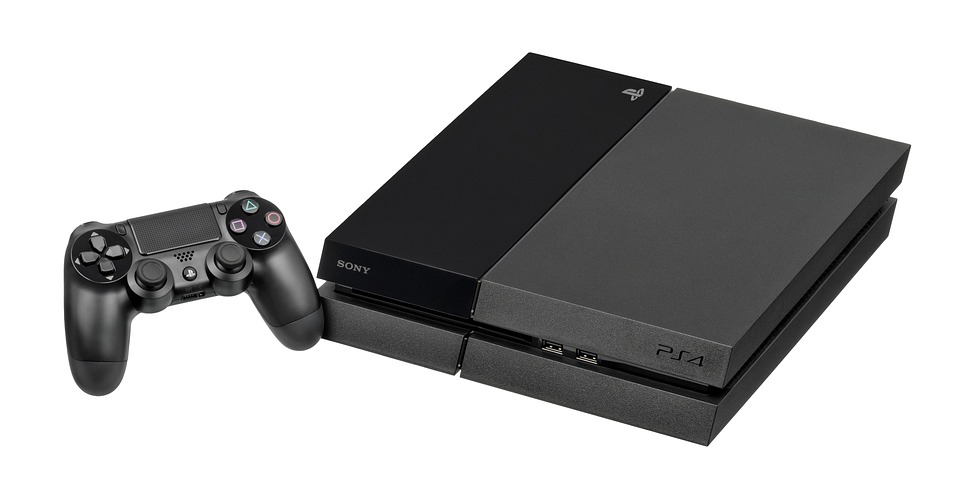
Virtual Vibes: Latest VR and Gaming Tech Updates
The world of virtual reality (VR) and gaming is constantly evolving, with new technologies and innovations being introduced at an unprecedented pace. In this article, we’ll delve into the latest VR and gaming tech updates, exploring the exciting developments that are changing the way we experience and interact with virtual worlds.
Advances in VR Hardware
One of the most significant areas of development in VR technology is the improvement of hardware. Companies like Oculus, HTC, and Valve are continually pushing the boundaries of what is possible with VR headsets, controllers, and sensors. Recent advancements include:
- Higher Resolution Displays: New VR headsets boast higher resolution displays, providing a sharper and more immersive visual experience. The Oculus Quest 2, for example, features a resolution of 1832 x 1920 per eye, making it one of the highest resolution VR headsets on the market.
- Improved Tracking Systems: Advanced tracking systems, such as inside-out tracking, allow for more precise and seamless movement tracking, eliminating the need for external sensors and base stations.
- Enhanced Controllers: Next-generation controllers, like the Oculus Touch and Valve Index Controllers, offer advanced haptic feedback, finger tracking, and intuitive gesture recognition, further blurring the lines between the physical and virtual worlds.
Cloud Gaming and Game Streaming
Cloud gaming and game streaming are revolutionizing the way we access and play games. With the rise of services like Google Stadia, NVIDIA GeForce Now, and Microsoft xCloud, gamers can now play high-quality games on a variety of devices, without the need for expensive hardware or lengthy downloads. These services utilize powerful cloud-based servers to render games, allowing for:
- Seamless Gameplay: Instant access to games, with no loading times or downloads required.
- Cross-Platform Play: Play games on multiple devices, including smartphones, tablets, and smart TVs.
- Social Features: Share gameplay, connect with friends, and join multiplayer sessions with ease.
Artificial Intelligence and Machine Learning
Artificial intelligence (AI) and machine learning (ML) are increasingly being integrated into VR and gaming applications, enabling more realistic and dynamic experiences. AI-powered technologies, such as:
- NPCs (Non-Player Characters): More realistic and responsive NPCs, capable of complex behaviors and interactions.
- Dynamic Environments: Procedurally generated environments, which can adapt and change in response to player actions.
- Personalized Experiences: AI-driven recommendation systems, which suggest games, levels, or difficulty settings based on individual player preferences.
Gaming Trends and Predictions
As the VR and gaming industries continue to evolve, several trends and predictions are emerging:
- Cross-Reality (XR) Experiences: The integration of VR, augmented reality (AR), and mixed reality (MR) technologies, creating new and innovative experiences.
- Esports and Competitive Gaming: The growth of esports and competitive gaming, with VR and gaming technologies playing a significant role in shaping the future of professional gaming.
- Indie Game Development: The rise of independent game developers, who are leveraging VR and gaming technologies to create unique and innovative experiences.
Conclusion
The world of VR and gaming is undergoing a significant transformation, driven by advances in hardware, software, and AI technologies. As these technologies continue to evolve, we can expect even more immersive, interactive, and realistic experiences to emerge. Whether you’re a seasoned gamer or just starting to explore the world of VR, one thing is certain – the future of virtual reality and gaming has never been more exciting. Stay tuned for more updates, and get ready to experience the thrill of Virtual Vibes!